< 1 Min Read
Fun-size Candy on Halloween
What’s so “fun” about a much smaller candy bar?
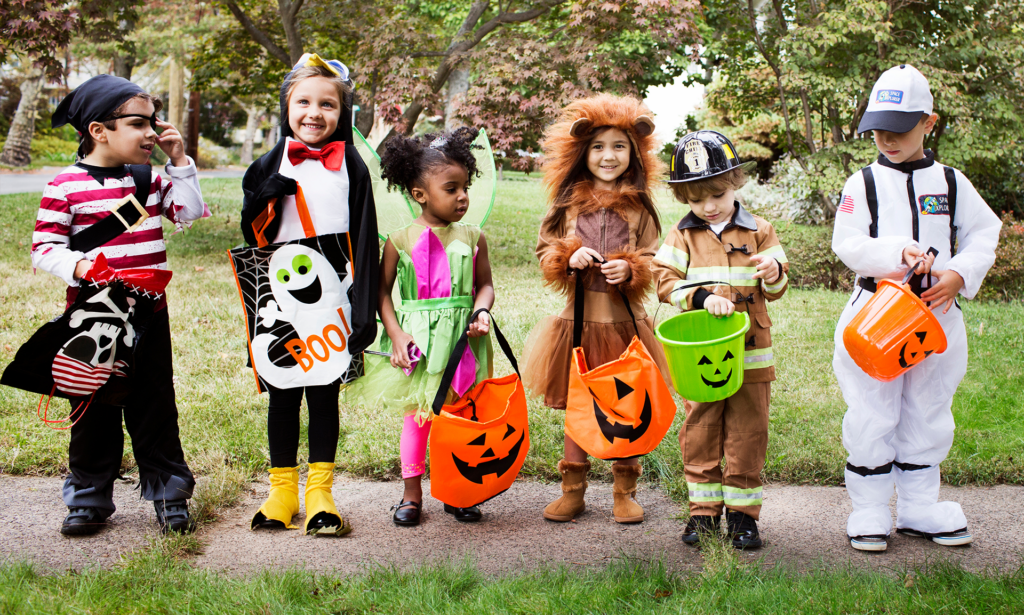
Most of the candy Trick-or-treaters will collect this Halloween will be individually wrapped, smaller versions of their full-sized candy bar counterparts.
Despite what kids and newspaper columnists would have you believe, fun-sized candy bars aren’t part of a vast conspiracy to deprive children of candy on Halloween.
In reality, they came about as part of a natural evolution of how candy bars have been positioned and marketed over the years.
When candy bars first hit store shelves, they were seen more like modern-day granola bars than indulgent desserts. Candy bars, especially those with peanuts, were filling, inexpensive meal replacements. (See: “Hungry? Why Wait? Grab a Snickers.”)
Candy companies were eager to find more occasions for people to reach for candy bars, and fun-sized varieties were born. From a bowl on an office desk to a treat in a kid’s lunch, the smaller bars made candy more tenable at more times of the day.
The Trick Behind Fun-sized Treats
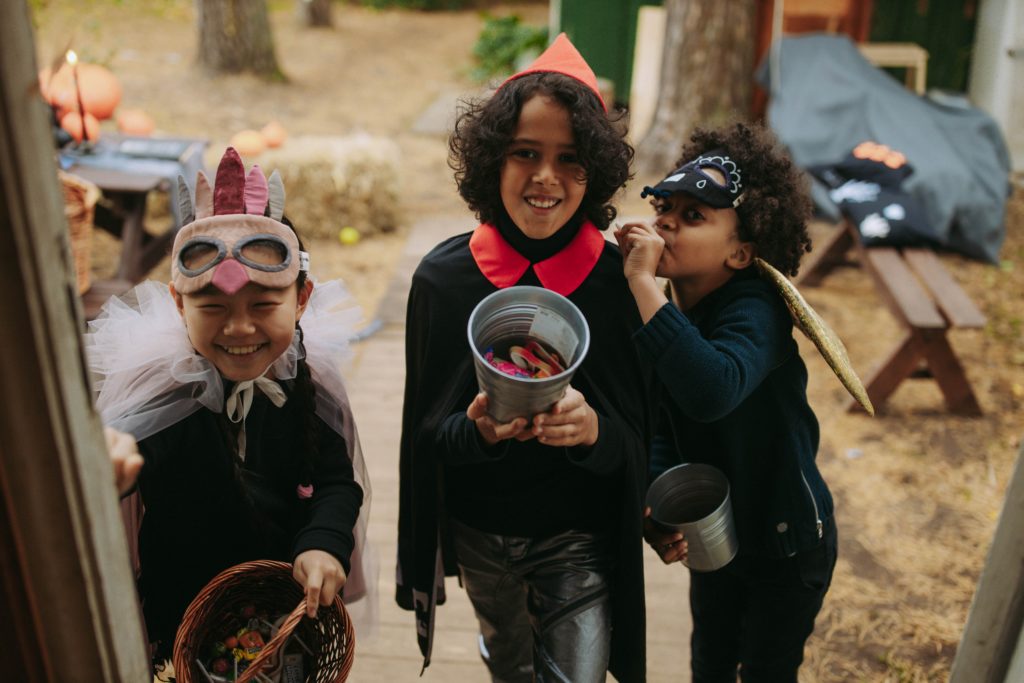
As candy became a dominant part of trick-or-treating on Halloween, fun-sized candy checked all the right boxes.
Parents like the individual wrapping and smaller portions. Kids get a wide variety of candy to be traded, hoarded, and eaten – hopefully not all on Halloween night. Plus, the smaller sizes are a cheaper option for houses planning to hand out candy to a whole night’s worth of trick or treaters.
Today, candy connoisseurs celebrate the subtle differences between fun-sized candy bars and their grown-up counterparts – the evolved caramel-to-chocolate ratio in a Milky Way or the solitary almond nestled atop an Almond Joy.
The fun-sized candy bar came about not because companies were robbing kids of chocolate, but because they were looking for more occasions for audiences to enjoy it.