2 Min Read
Goalkeeping Branding at the World Cup
Ever been to San Francisco Bay Area Stadium?
That’s how Levi’s Stadium – and many others across the U.S. – are being referred to during this summer’s World Cup.
FIFA, the international governing body for association football and the host of the 2026 World Cup, has strict branding rules that it enforces during the 39-day tournament.
The rules are designed to “protect our brands and the exclusive rights of our sponsors.” (Don’t even think about including phrases like “World Cup” in your advertising if you aren’t a sponsor.)
One limitation that has caused a stir since the start of the tournament on June 11 is the “clean stadium” policy that has erased brand names from the major stadiums hosting matches. Lumen Field is Seattle Stadium. Lincoln Financial Field is Philadelphia Stadium.
The rules even go so far as to extend to the condiments used within the stadiums and the gear athletes and workers wear to the events. Photos of Heinz Ketchup bottles with the logos taped over went viral.
Marketing Out of the (Penalty) Box
The 2026 World Cup is drawing an average of about 65,000 fans to every match – and another 194 million in the global television audience. That’s a lot of eyes for brands.
While the de-branding presents a marketing challenge, many of them have been able to turn this “Red Card” into an opportunity.
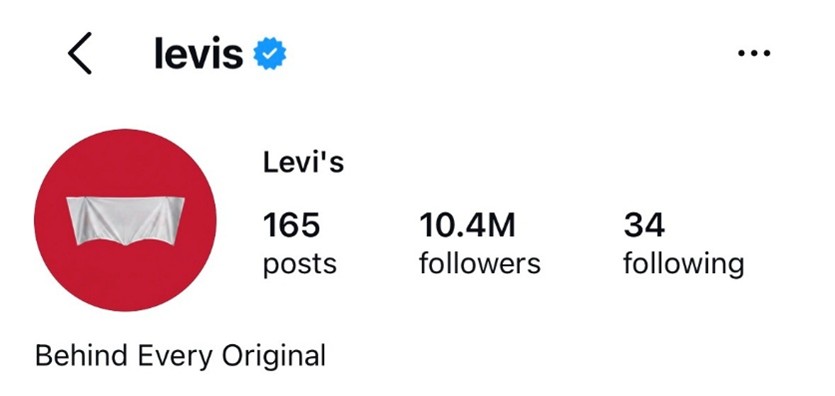
Levi’s is one shining example of this. First, the company changed its profile picture across its social media channels to match the covered logo at the San Francisco Bay Area Stadium. Then, stores across the globe also covered their logos in a similar white tarp.
The response from brands who’ve had their logos covered has become its own storyline during the tournament – taking over headlines and the social media conversation.
Sports marketing analyst Adam Britton cleverly pointed out that they might have the Streisand Effect to thank for the positive attention.
We’ve covered this phenomenon before – it’s the idea that when you attempt to hide, remove, or censor information, it often ends up increasing awareness of that information.
For FIFA, the effect has created a hole in its branding defense. But for non-sponsor brands, it’s created a path straight to the net.